 English
 Polski
 Čeština
 Magyar
 Nederlands
 Deutsch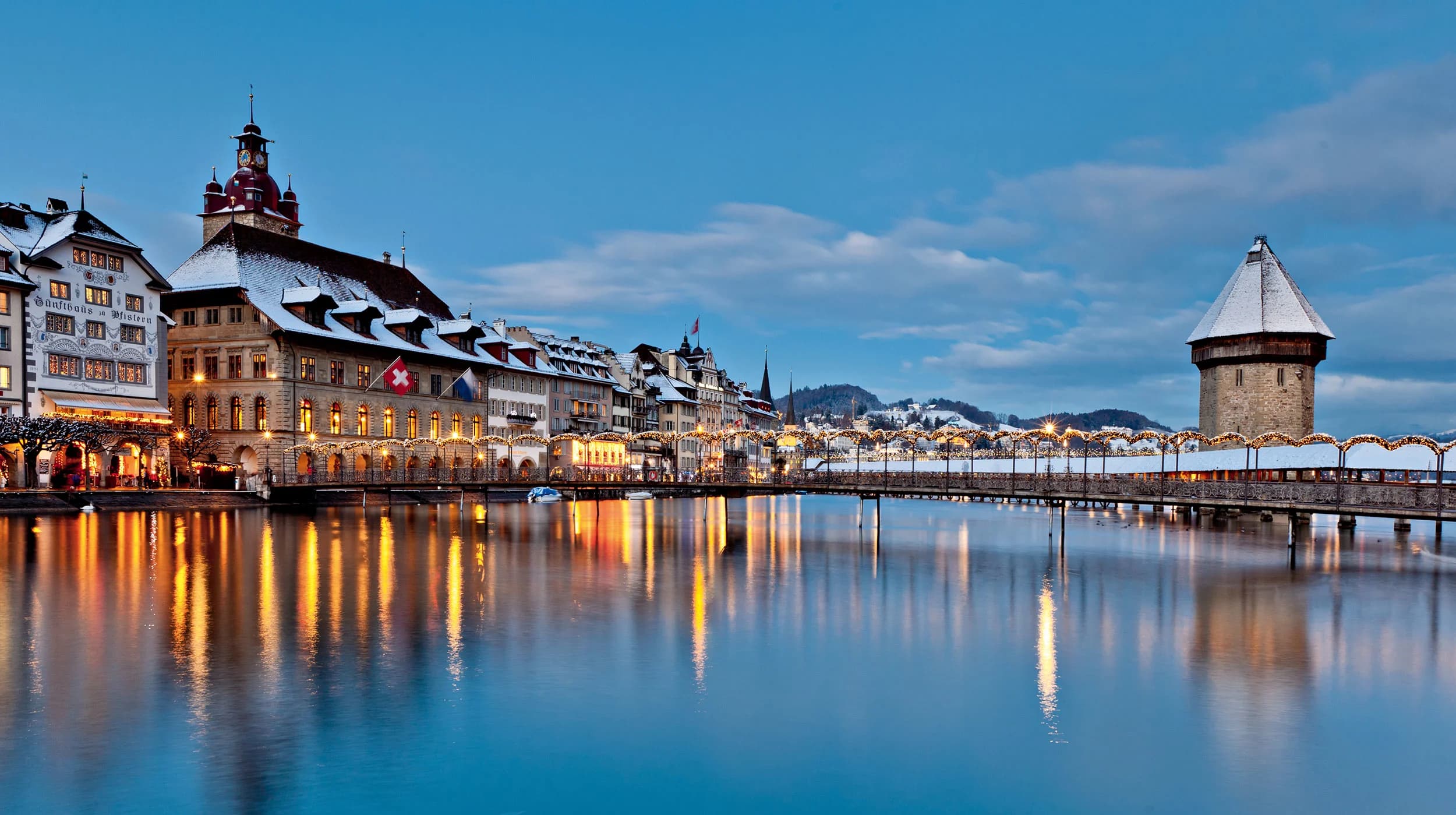

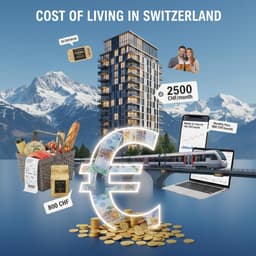
Switzerland is known for its high salaries and beautiful nature. But what does it actually cost to live there? We often hear that everything in Switzerland is more expensive, but is that really the case? Good news: due to the high purchase prices, many Swiss people rent, so there is a wide range of rental properties. In relation to your salary, the rent is therefore not so bad! Especially if, as is very common in Switzerland, you share a home with other workers. In this article, we dive deep into housing costs: from renting in major cities to housing prices and taxes.
Renting in Switzerland: what do you pay?
Good news: as a physiotherapist in Switzerland you earn between €5,500 and €6,000 gross per month as a starter. With a few years of experience, that even amounts to more than €7,000 per month. That makes living in Switzerland more than doable.
Zurich is the economic center of Switzerland. For a one-bedroom apartment in the center, you pay an average of CHF 1,650 (around €1,875) per month. Outside the center, that's around CHF 1,300 (€1,476).
Bern, the capital, is a bit more affordable. Here you'll find spacious homes for around CHF 1,400 to CHF 1,800 per month, depending on your location and apartment size.
Luzern is in between in terms of prices. Count on around CHF 1,500 to CHF 2,000 per month for a nice home.
For families or people who want more space, a 2-3 bedroom apartment costs between CHF 2,500 and CHF 3,500 (around €2,840 to €3,980) per month in major cities.
Average rental prices per city at a glance
| Type of housing | Bern | Lucerne | Zurich |
|---|---|---|---|
| 1-room apartment city center | CHF 1,650 (€1,875) | CHF 1,600 (€1,820) | CHF 1,850 (€2,100) |
| 1-room apartment outside city center | CHF 1,300 (€1,475) | CHF 1,250 (€1,420) | CHF 1,500 (€1,705) |
| 2-3 room apartment city center | CHF 2,800-3,200 (€3,180-3,635) | CHF 2,600-2,900 (€2,955-3,295) | CHF 3,200-3,500 (€3,635-3,980) |
| 2-3 room apartment outside city center | CHF 2,200-2,600 (€2,500-2,955) | CHF 2,000-2,400 (€2,270-2,730) | CHF 2,500-3,000 (€2,840-3,410) |
| Rural living (detached house) | CHF 2,000-2,800 (€2,270-3,180) | CHF 1,900-2,600 (€2,160-2,955) | CHF 2,200-3,200 (€2,500-3,635) |
City vs. countryside: significant difference
If you choose a village or smaller town outside the major cities, you'll often pay €500 to €800 less per month for comparable properties. Detached houses in the countryside range from CHF 2,000 to CHF 3,000 per month.
The trade-off is natural: do you want to be in the middle of the action or do you enjoy peace and space? The beauty of Switzerland is that public transport is so well organized that you can get anywhere quickly. Even from a mountain village, you can often be in the city within half an hour.
Deposit and rental contract
When signing your lease, you usually deposit a deposit of three months' rent in a blocked bank account in your name. This bank account is in your name, but you can't access it during your rental period. After the end of your contract, you will receive this amount (including interest!) back again. So make sure you have this amount available at the start of your rental contract.
Buying a home in Switzerland: the options
Most international professionals choose to rent in Switzerland, especially in the beginning. But buying is also possible, of course, although it involves a bit more.
House prices if you want to buy
- Geneva: CHF 14,290 per m² (€16,230)
- Zurich: CHF 13,490 per m² (€15,320)
- Luzern: CHF 10,100 per m² (€11,470)
- Lausanne: CHF 10,290 per m² (€11,690)
- Basel: CHF 9,750 per m² (€11,070)
- Bern: CHF 7,850 per m² (€8,915)
So for a 75m² apartment in Zurich, you're looking at over CHF 1 million (€1,135,000). In rural areas, you can find homes starting at CHF 500,000 (€568,000).
What to keep in mind:
- Transfer tax: 1-3% (varies by canton)
- Notary fees and registration
- As a foreigner, you sometimes need a permit (Lex Koller legislation)
Our advice: Start renting. This is how you get to know the country and discover where you really want to live. After a year or two of saving money, you can always decide to buy.
Housing costs in Switzerland vs. other European countries: the surprising truth
Amsterdam is currently the most expensive city to rent in Europe. You pay an average of €2,500 per month for an apartment there, comparable to Zurich. But a starting physiotherapist in the Netherlands earns only €2,500 to €3,000 gross per month. In Switzerland, that is more than double.
In Paris you pay around €1,700 to €1,900 for a comparable apartment, and in Berlin you'll get away with around €1,200 to €1,500. But salaries in these cities are also much lower than in Switzerland.
The result? In Switzerland, as a physiotherapist, you can easily save €1,300 to €2,000 per month, despite the higher costs. That is more than what many professionals in other countries earn at all.
The big picture: what are you left with?
Let's make a realistic example budget for a starting physiotherapist in Switzerland (for more on the tax line, see our article on withholding tax in Switzerland):
| Category | Amount |
|---|---|
| Gross salary | CHF 5,700 (€6,480) |
| Net after tax | CHF 4,900 (€5,570) |
| Rent (1-room apartment) | CHF 1,500 (€1,705) |
| Utilities | CHF 100 (€114) |
| Health insurance + phone + transport + groceries | CHF 1,100–1,600 |
| What remains? | CHF 2,050–2,480 (€2,330–€2,820) per month! |
You can use this to save money, travel, invest in your education, or simply enjoy life in the Alps. Compare that with other countries! This is where Switzerland is really worth its money.
Practical tips for affordable living
1. Share your home (in the beginning)
Many international physical therapists choose to rent a room or share an apartment in the first months. This not only saves money, but you also immediately build a social network. Via our community you can easily get in touch with other physios who are looking for roommates.
2. Differences by canton
In terms of housing prices, there are considerable differences between cantons. Consider looking in cities like Bern, Lucerne, or the smaller towns around the larger cities. This way, you can save more money and enjoy more rest. But remember: in cities where it's more expensive to live, you also earn more.
3. Start with temporary housing
Some practices offer staff housing for the first months. This gives you time to quietly search for your ideal home without pressure.
4. Looking for a home? These sites help
- Homegate.ch: Switzerland's largest property search site, both for rent and purchase
- ImmoScout24: Wide range with good filters for your needs
- Comparis.ch: Compares homes from multiple platforms
Hint: Start your search before you get a job. This gives you a good idea of the market and you know what is realistic for your budget.
Want help sorting out your move to Switzerland, finding a job or starting the SRK recognition process? Get in touch and we'll talk you through the options.