 English
 Polski
 Čeština
 Magyar
 Nederlands
 Deutsch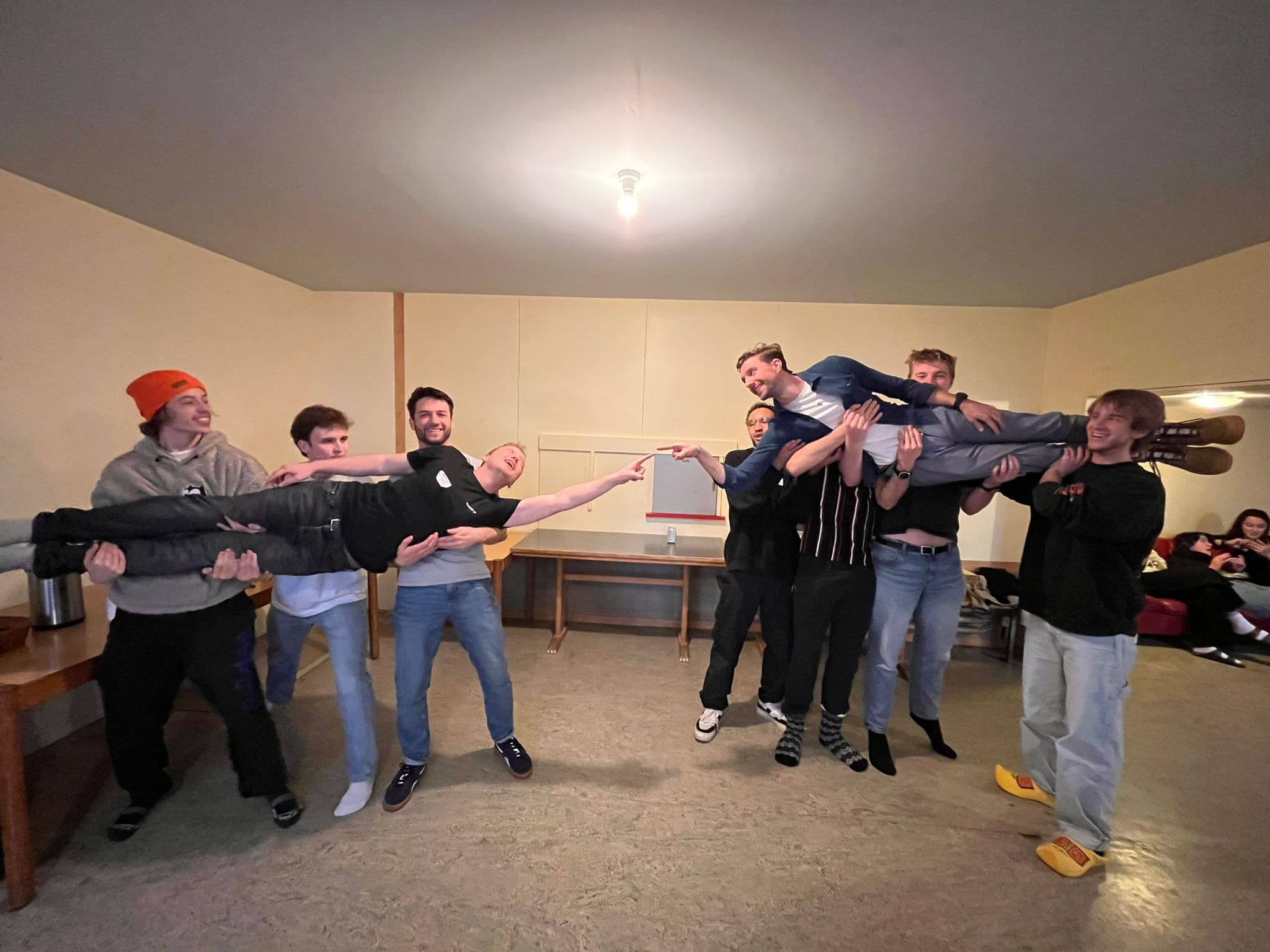

Honest answer? It is not as hard as a lot of people think. The language matters, of course: for work, for contact with patients, but also for feeling at home in your new environment. Many people dread it beforehand, but in practice it is often not that bad.
When you work as a physiotherapist in Switzerland, you quickly notice how important language is. Not only for communicating well with your patients, but also for the small things in daily life: a chat in the supermarket, at the sports club, or with colleagues. And precisely because you are surrounded by the language every day, you learn much faster than you expect.
My own experience
When I came to Switzerland, I started one or two months in advance by learning some basic German, specifically focused on my work. At that point I mainly practiced professional language: words like muscles, movements, and the phrases I use often with patients.
Tip: learn a few standard questions and technical terms by heart. Think of phrases like “Does it hurt when you press here?”, “Can you raise your arm a little further?” or “How does it feel today compared to yesterday?” You will notice that understanding often comes faster than speaking. That is completely fine: your patients will see that you are doing your best, and they appreciate it.
1. Practice outside of work, not just inside it
The conversations you have at work are often limited to medical or practical topics. That helps, but if you really want to speak fluently, the difference happens in your free time.
Try to use the language consciously in daily life. Order your coffee in German or French, chat with your neighbour, or join a sports club or language cafe. Those everyday conversations are what make you speak more spontaneously and naturally.
Most progress happens outside of working hours, when you use the language for real conversations about topics you actually enjoy. That makes it both more educational and far more fun.
2. Living with Swiss roommates: the fastest language course there is
One of the best ways to truly master a language is to live with Swiss people. In many cities you can move into a WG (Wohngemeinschaft), a shared apartment. There you end up living with Swiss roommates, which is a natural and relaxed way to practice every day.
While cooking, eating together or watching TV, you pick up words you will never find in a textbook. You also hear how Swiss people actually talk: the dialect, the intonation, the typical phrases. Many people find they make huge leaps in their speaking skills in that kind of environment in a short time.
3. Make it fun: listen, watch, read
Use the language in your free time. Watch Swiss or German series with subtitles — Netflix actually has some genuinely good German series. Listen to podcasts about health or sports in German or French. And apps like Duolingo, Babbel or Anki help you practice a bit every day.
In the beginning, it is mostly about understanding, not about speaking perfectly. Your brain slowly gets used to the sounds and sentence structures.
It is not nothing, but it really does get better quickly
Yes, learning a new language takes energy. In the first few weeks you have to sit with the uncertainty for a while. But most people say the same thing after a few months: “Suddenly I started understanding conversations, and before I knew it I was just talking back.”
So do not let it put you off. With a little effort, some curiosity, and daily contact with the language, you will learn faster than you think — and Switzerland will feel like home in no time.
Ready for takeoff?
Curious about your options in Switzerland? Get in touch for a personal chat, or read how takeoff helps you relocate. We would love to help you get started.